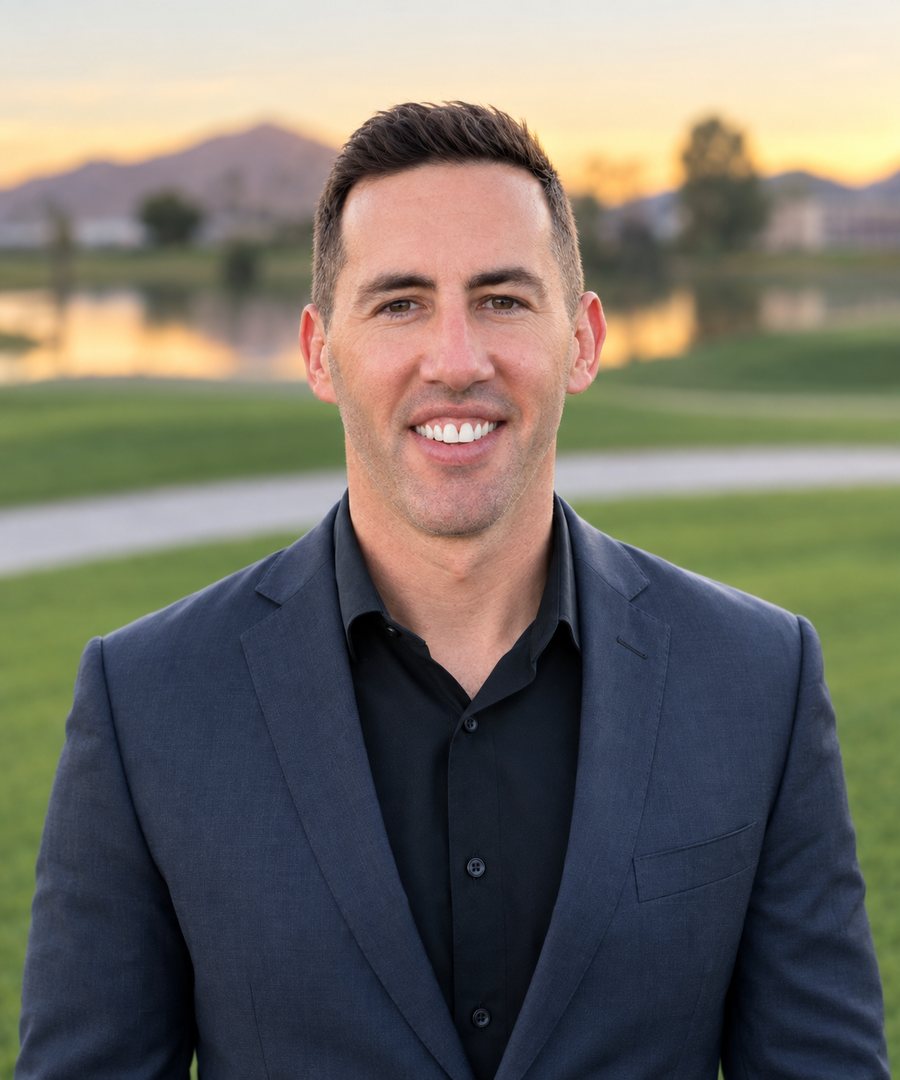
I run Chicago Addiction Therapy, a private practice in Logan Square. I treat gambling, sports betting, high-risk trading, and alcohol and substance use, and I work with the partners and families of people who gamble. I see clients in person in Chicago and online across Illinois and Minnesota.
The consultation and training I offer here comes straight from that work. When I teach screening, money safety or family involvement, I’m teaching what I did with clients that week.
Who I see
Most of the people in my office aren’t at rock bottom. They’re functioning. They hold down demanding jobs, show up for their families, and are quietly aware that something has gotten away from them.
Many of them bet on their phones, in seconds, on every game, all season. Others trade options, crypto or prediction markets, where the language is investing but the pattern is chasing. And many of the calls I get come from a partner or parent who has just found the debt.
That’s the client who is now turning up on general caseloads, in EAP referrals and in campus counseling centers, often without anyone asking about gambling at all.
How I think about treatment
- Make it harder to bet, not harder to resist. Willpower is a poor plan when a sportsbook lives in your pocket. Treatment starts with access: blocking apps, self-exclusion and cutting off fast money, often in the first session.
- Protect the money early. In gambling, the money is the substance. Debt, shared accounts and access to credit need attention while the deeper work is getting started, not after.
- Bring the family in. I work from CRAFT with partners and parents, and I’m honest about the evidence: it roughly doubles treatment entry overall, but the gambling-specific results are weaker. Families still need their own support either way.
- Ask about suicide, every time. Suicide risk runs high in gambling disorder, especially after a big loss or a debt discovery. Screening for it is part of the work, not an optional add-on.
- Treat screens as screens. The PGSI and the AUDIT open a conversation. They don’t make a diagnosis, and I teach them that way.
What you get when you work with me
Consultation is practical. You bring a case, and you leave with concrete next steps you can use in your next session, along with a clear sense of where the evidence is strong and where it’s thin. You stay the treating clinician; I’m a second set of eyes from someone who sees this presentation every week.
Trainings follow the same approach. I teach the parts of gambling treatment that generalist addiction training tends to skip: screening, money safety, access blocking, family involvement and suicide risk.
Things I’ve built
I build free, anonymous resources for people who are struggling, and many clinicians use them with clients:
- Gambling self-assessment: the PGSI, used with permission from its developers and scored instantly, with next steps for each result.
- Alcohol self-assessment: the full AUDIT, including a withdrawal-safety caution.
- 24-Hour Betting Shutdown Plan: a printable plan for shutting down betting access on day one.
I also write in-depth guides on the practice blog, covering sports betting, gambling debt, partners of people who gamble, and crypto and day-trading addiction.
Credentials
- Master of Social Work (MSW)
- Licensed Clinical Social Worker (LCSW), Illinois
- Licensed Independent Clinical Social Worker (LICSW), Minnesota
- Certified Alcohol and Drug Counselor (CADC)
- Certified Problem and Compulsive Gambling Counselor (PCGC), Illinois Certification Board